Enjoying the preview?
This is the free first lesson. Get full access — request a demo or sign in.
Enjoying the preview?
This is the free first lesson. Get full access — request a demo or sign in.
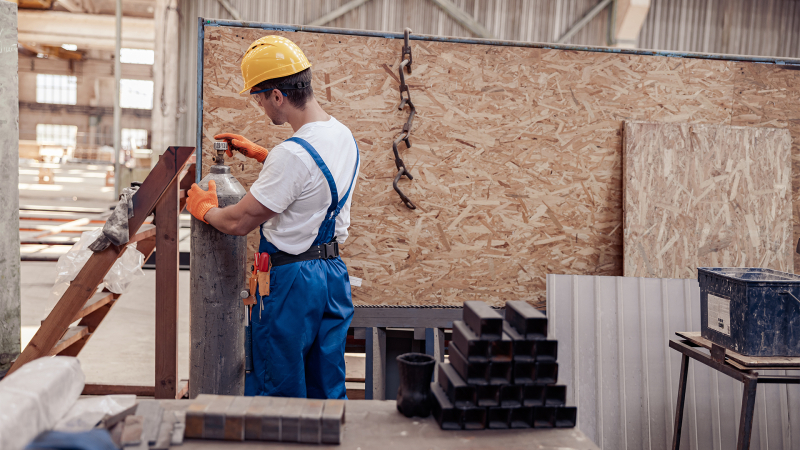
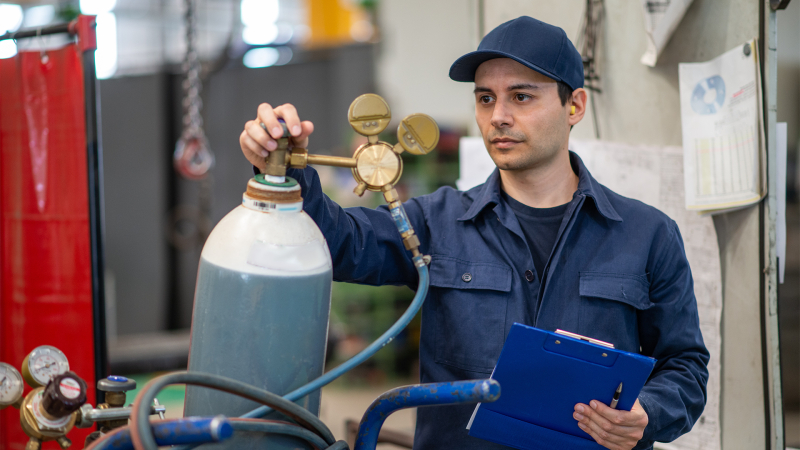
Compressed gas cylinders are used in everything from welding and maintenance to lab work and refrigeration, but they pose serious risks if mishandled. In this Compressed Gas Cylinders in Industrial Environments course, you’ll learn how to work safely with one of the most common and potentially dangerous tools in many industrial environments. This course explains the types of gases stored in cylinders, the ways they’re stored, and why relying on cylinder color can be hazardous.
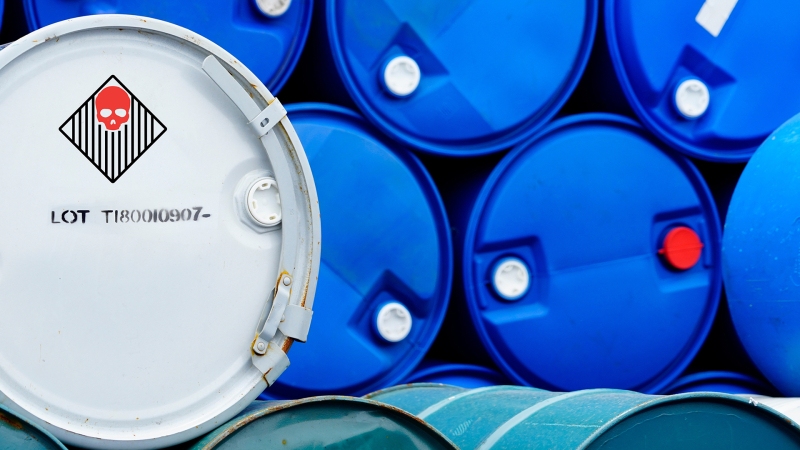
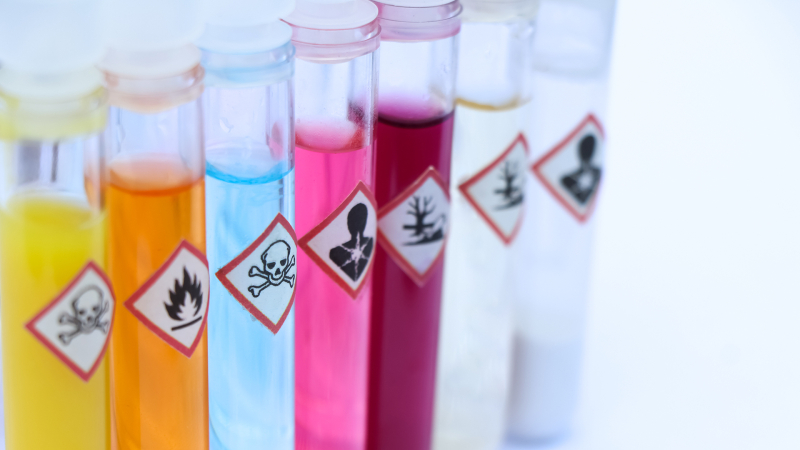
You’ll learn the two main types of hazards—high-pressure risks and risks associated with the gases themselves—and how to protect yourself from both. The course shows you how to read labels, secure cylinders during storage and transport, and prevent accidents when connecting them to gas delivery systems. You’ll also learn how to identify leaks, perform soap tests, and take emergency action if needed.
Whether you’re moving a cylinder across the floor or setting it up for use in a system, following the correct procedures can prevent injury, property damage, and even death. This training will help you stay safe and avoid common mistakes when working with compressed gas cylinders.
It is for people who work with compressed gas cylinders in industrial environments such as welding, maintenance, lab work, and refrigeration, where these cylinders are common and potentially dangerous tools.
It covers the types of gases stored in cylinders and how they are stored, why relying on cylinder color is hazardous, reading labels, the two main types of hazards (high-pressure and gas-related), securing cylinders during storage and transport, connecting cylinders to gas delivery systems, and finding and dealing with leaks.
The course builds skills in flaw detection, hazard identification, hazardous material storage, working with industrial gases, and using pressure regulators.
It is organized into lessons covering types of gases and their cylinders, the hazards of compressed gas cylinders, storing cylinders, handling cylinders safely, installing cylinders, finding and dealing with leaks, and a review.
Yes. The course shows you how to identify leaks, perform soap tests, and take emergency action if needed.