Enjoying the preview?
This is the free first lesson. Get full access — request a demo or sign in.
Enjoying the preview?
This is the free first lesson. Get full access — request a demo or sign in.
If you are handling hazardous materials, you need to know the proper way to handle them and ensure your safety. In this GHS Container Labels course, you’ll learn how to read and understand container labels for hazardous materials and use that information to work safely. OSHA’s Hazard Communication Standard, also known as HAZCOM, gives you the right to know about the chemicals you may be exposed to at work. That includes understanding how materials are labeled.
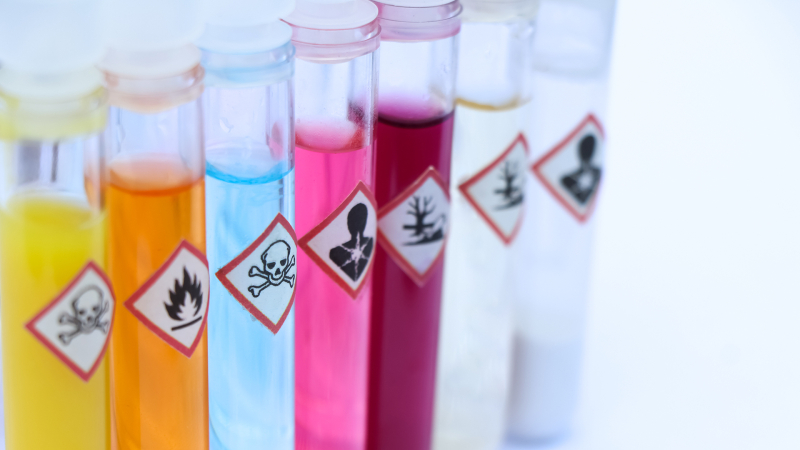
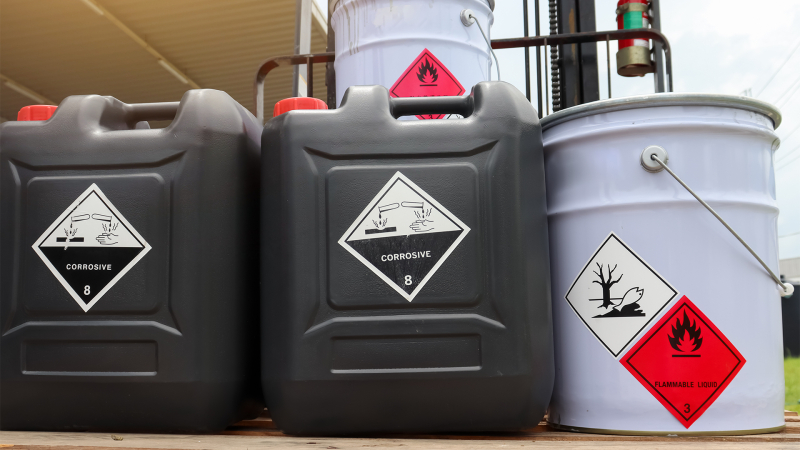
This course explains how the Globally Harmonized System (GHS) makes hazard labels consistent worldwide, so employees can find critical safety information quickly—especially during an emergency. You’ll explore the nine pictograms used to communicate physical, health, and environmental hazards, as well as five standardized text elements: the product identifier, signal word, hazard statement, precautionary statement, and supplier contact details.
You’ll also learn how to locate key label information fast, how to understand what each pictogram means, and what to do when working with secondary or in-house containers. By the end of this course, you’ll be able to find and use GHS label information to stay informed and reduce risk when working with hazardous materials.
It is for people who handle hazardous materials and need to know the proper way to handle them and ensure their safety.
It covers how to read and understand container labels for hazardous materials, OSHA's Hazard Communication Standard (HAZCOM), the Globally Harmonized System (GHS), the nine GHS pictograms, the five standardized text elements on a label, and labeling rules for secondary and in-house containers.
You'll be able to find and use GHS label information to stay informed and reduce risk when working with hazardous materials.
The product identifier, the signal word, the hazard statement, the precautionary statement, and supplier contact details.
The lessons cover GHS Container Labels, the goals of hazard communication, the benefits of the GHS system, GHS pictograms, the text elements of GHS labels, and a review.