Enjoying the preview?
This is the free first lesson. Get full access — request a demo or sign in.
Enjoying the preview?
This is the free first lesson. Get full access — request a demo or sign in.
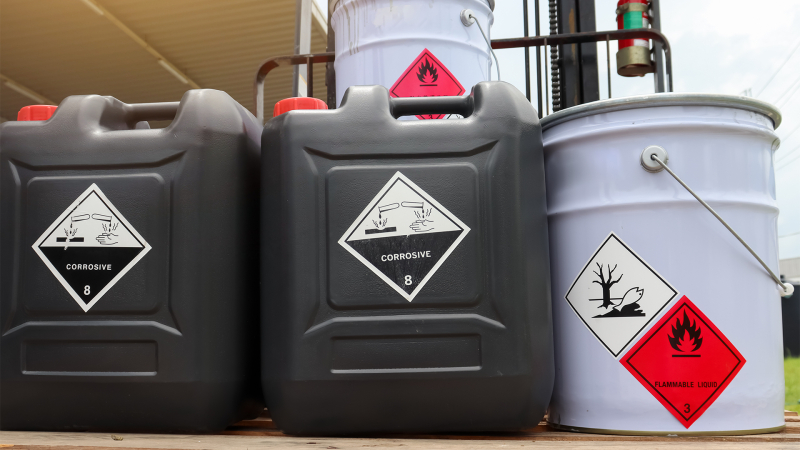
GHS container labels are especially important in food processing because chemicals are used near equipment and products, and clear labels help prevent mix-ups, exposure, and unsafe storage that could also affect food safety. In this GHS Container Labels in Food Processing and Handling Environments course, you’ll learn how to read GHS container labels, understand pictograms and key label text, and quickly identify hazards and safety steps when working with chemicals.
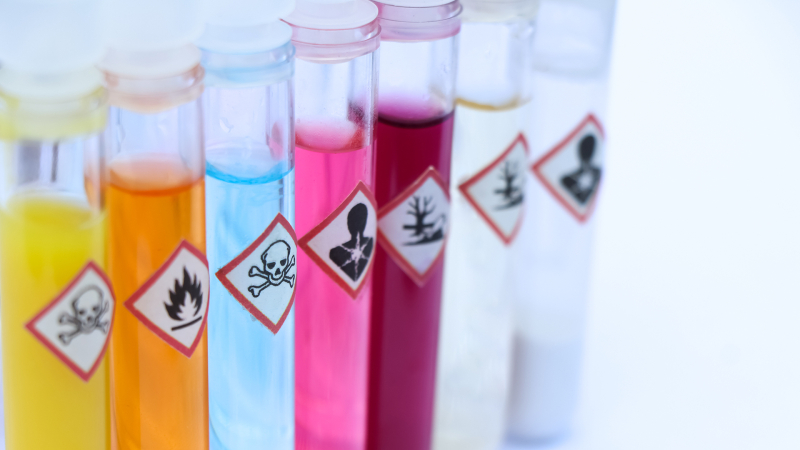
You’ll start with the goals of hazard communication and why workers have a right to know and a right to understand the hazards of the materials they use. Then you’ll learn how GHS improves safety by using a consistent label system that helps workers find critical information fast, even under pressure. You’ll review GHS pictograms and what they communicate about physical, health, and environmental hazards.
Next, you’ll identify the main text elements on a GHS label, including the product identifier, signal word, hazard statements, precautionary statements, and supplier information. You’ll also learn how labels may be handled differently for secondary containers used only inside a facility, very small containers, and bulk shipments where hazard information may be provided through shipping documents
It is for workers in food processing and handling environments who work with chemicals used near equipment and products and need to read and act on GHS container labels.
You'll learn how to read GHS container labels, understand pictograms and key label text, and quickly identify hazards and safety steps when working with chemicals.
It covers the main GHS label text elements: the product identifier, signal word, hazard statements, precautionary statements, and supplier information.
Yes. It explains how labels may be handled differently for secondary containers used only inside a facility, very small containers, and bulk shipments where hazard information may be provided through shipping documents.
Lessons cover the goals of hazard communication, the benefits of the GHS system, GHS pictograms, the text elements of GHS labels, and a review.