Enjoying the preview?
This is the free first lesson. Get full access — request a demo or sign in.
Enjoying the preview?
This is the free first lesson. Get full access — request a demo or sign in.
The Department of Transportation (DOT) requires all HAZMAT employees to undergo general awareness and safety training, and this course covers the essential information you need. In the DOT HAZMAT Safety Training course, you will learn how to protect yourself, others, and the environment while working with hazardous materials.
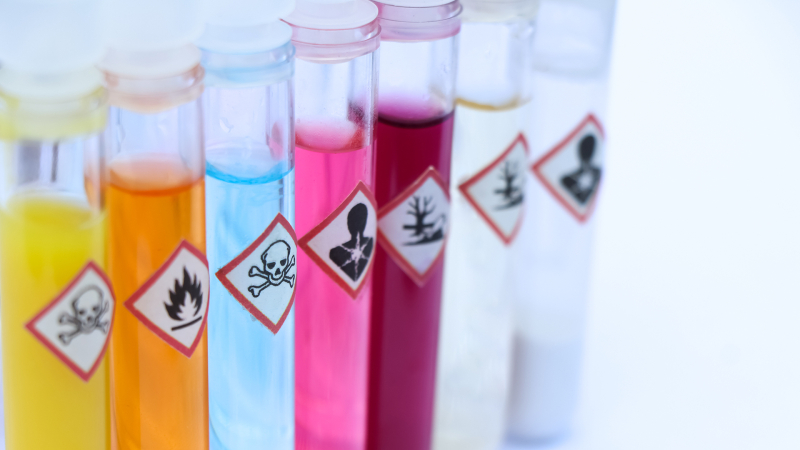
You will learn to identify what constitutes a hazardous material, how to use the Hazardous Materials Table to classify substances, and how to recognize required markings, labels, and placards. The course will explain packaging standards, shipping papers, and proper loading and unloading techniques. Special emphasis will be placed on your role as a HAZMAT employee, including recognizing security threats, reporting incidents, and following emergency procedures.
By the end of this course, you will be better prepared to handle hazardous materials safely and meet DOT regulatory requirements with confidence.
It is designed for HAZMAT employees, whom the Department of Transportation requires to undergo general awareness and safety training.
It covers identifying hazardous materials, using the Hazardous Materials Table to classify substances, recognizing required markings, labels, and placards, packaging standards, shipping papers, proper loading and unloading techniques, security threats, incident reporting, and emergency procedures.
You will gain skills in packaging and labeling, hazard categorization, incident response, material handling, and regulatory compliance.
Yes. By the end of the course you will be better prepared to handle hazardous materials safely and meet DOT regulatory requirements with confidence.
Lessons include DOT HAZMAT regulations and training; HAZMAT labels, placards and hazard classes; shipping papers and emergency response information; using the DOT Emergency Response Guidebook; shipping and receiving HAZMATs; and HAZMAT emergencies and exposure.