Enjoying the preview?
This is the free first lesson. Get full access — request a demo or sign in.
Enjoying the preview?
This is the free first lesson. Get full access — request a demo or sign in.
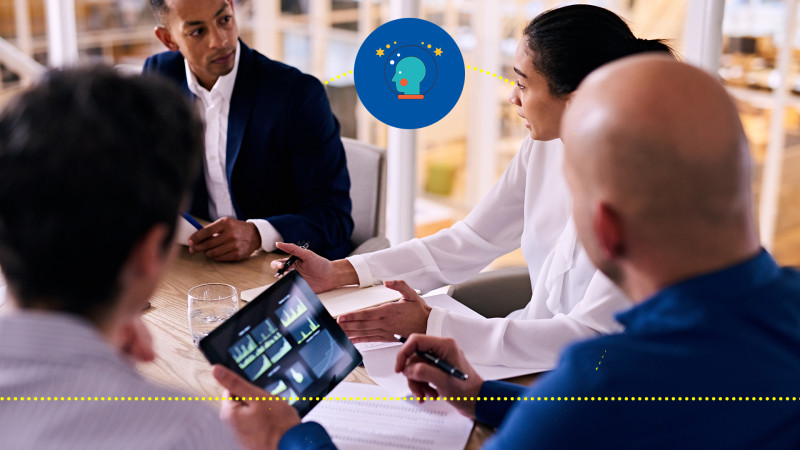
Virtual bystander intervention is a critical component in empowering remote colleagues, fostering a supportive work environment that’s conducive to positive team dynamics. In a digital setting, bystander intervention can take various forms, depending on the nature of the situation and the tools available. A significant challenge is the bystander effect, which can be amplified in virtual settings. The bystander effect suggests that people are less likely to intervene in a situation when other people are present. In remote teams, this can be worsened by the physical separation of team members and the feeling of being just one anonymous person in a virtual crowd. This can lead to a lack of immediate action when a negative situation arises. So how do remote companies address this issue?
In this course on Bystander Training for Online Work Environments, you’ll learn about bystander intervention strategies for remote teams. You’ll explore prosocial behaviors, psychological safety, and empowerment through intervention. You’ll also learn about recognizing common toxic behaviors and different strategies for reporting and following up with these incidents. By the end of this course, you’ll be ready to build and nurture positive relationships in the remote work setting.
It is designed for remote colleagues and teams who want to practice bystander intervention and build a supportive, positive work environment in online and remote work settings.
It covers bystander intervention strategies for remote teams, the bystander effect in virtual environments, prosocial behaviors, psychological safety, empowerment through intervention, recognizing common toxic behaviors, and strategies for reporting and following up on incidents.
The course focuses on verbal communication skills and verbal and physical intervention.
By the end, you will be ready to build and nurture positive relationships in the remote work setting, including documenting, investigating, and following up on workplace incidents.
The bystander effect suggests that people are less likely to intervene in a situation when other people are present, and in remote teams this can be worsened by the physical separation of team members and the feeling of being one anonymous person in a virtual crowd.
KnowledgeCity is approved by SHRM as a Recertification General Provider to offer SHRM-CP or SHRM-SCP professional development credits (PDCs). By taking the courses approved by SHRM, KnowledgeCity can award SHRM Professional Development Credits (PDCs) for HR knowledge and competency programs related to the SHRM Body of Applied Skills and Knowledge™ (the SHRM BASK™).