Enjoying the preview?
This is the free first lesson. Get full access — request a demo or sign in.
Enjoying the preview?
This is the free first lesson. Get full access — request a demo or sign in.
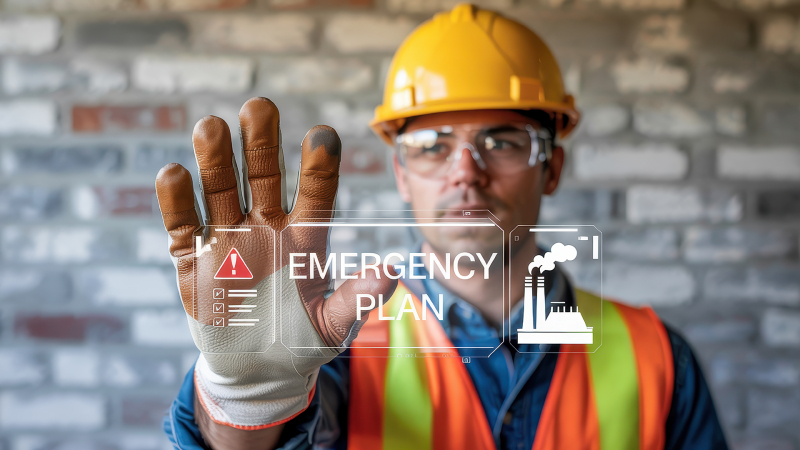
Emergencies can happen at any time—fires, gas leaks, floods, or active shooter situations—and having a clear plan in place helps reduce harm and confusion. In this Emergency Planning in Office Environments course, you’ll learn how to prepare for unexpected events and respond effectively to emergencies that may threaten your workplace. You’ll explore how to identify potential threats, develop a thorough emergency action plan, and coordinate with crisis management teams and local responders.
The course outlines key components of an emergency plan, including alarm systems, evacuation procedures, shutdown protocols, and designated roles for personnel. It also covers risk assessments for terrorist threats using OSHA's Evacuation Planning Matrix and the importance of situational awareness to detect early warning signs. Special attention is given to handling active shooter incidents, including safe responses such as running, hiding, or defending yourself.
You’ll also learn the value of conducting tabletop drills and full-scale emergency exercises, ensuring everyone knows their role and responsibilities. Practicing these procedures helps your team respond quickly and effectively when real emergencies occur. By the end, you’ll understand how to help protect your coworkers, minimize damage, and keep operations under control—even under pressure.
It covers how to prepare for and respond to workplace emergencies, including identifying potential threats, developing an emergency action plan, coordinating with crisis management teams and local responders, assessing terrorist threat risks with OSHA's Evacuation Planning Matrix, handling active shooter incidents, and conducting drills and post-incident reviews.
It gives special attention to handling active shooter incidents, including safe responses such as running, hiding, or defending yourself.
It addresses emergencies that may threaten the workplace, such as fires, gas leaks, floods, or active shooter situations.
By the end, you'll understand how to help protect your coworkers, minimize damage, and keep operations under control even under pressure.
It teaches the value of conducting tabletop drills and full-scale emergency exercises so everyone knows their role and responsibilities and the team can respond quickly when real emergencies occur.