Enjoying the preview?
This is the free first lesson. Get full access — request a demo or sign in.
Enjoying the preview?
This is the free first lesson. Get full access — request a demo or sign in.
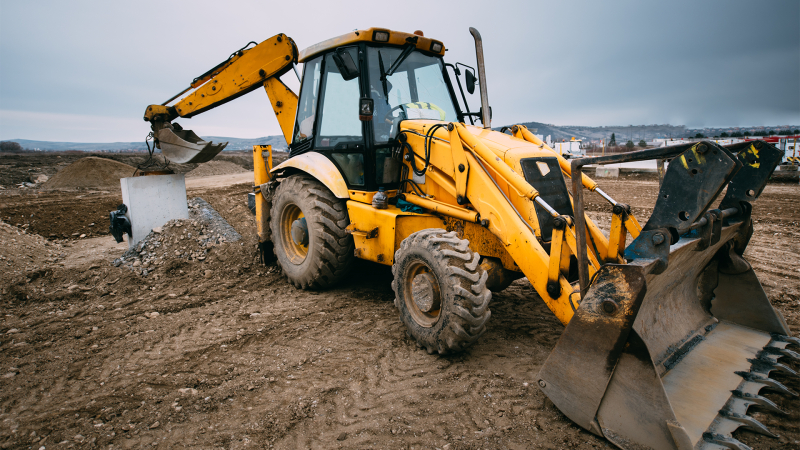
Backhoes are powerful and versatile machines, but they come with real risks if not handled properly. Knowing your role and responsibilities is key whether you’re an operator or a spotter. In this Backhoe Safety: Operating and Spotting for a Backhoe course, you’ll learn how to prevent serious injuries by following safe practices when using or working near a backhoe.
You’ll find out how to perform visual inspections before using a backhoe and why communication between operators and ground personnel is so important. The course also covers how to identify and avoid hazards like cave-ins, overhead lines, blind spots, and rollover risks. You’ll review spotting techniques, traffic control best practices, and precautions for trenching and lifting tasks.
Both operators and spotters must work as a team. That means clearly using hand signals, staying alert, and following site-specific rules. Crews can reduce the chance of accidents by practicing situational awareness and using basic safety tools like barricades, high-visibility gear, and inspection checklists.
Whether you operate a backhoe or guide one from the ground, this course helps you develop the habits that keep worksites safe and productive.
This course is for both backhoe operators and spotters, as well as anyone who operates a backhoe or guides one from the ground. It helps both roles develop habits that keep worksites safe and productive.
The course covers how to identify and avoid hazards like cave-ins, overhead lines, blind spots, and rollover risks, along with precautions for trenching and lifting tasks.
You will gain skills in collaborative communications, construction site safety, equipment inspection, hazard identification, and observational techniques, including performing visual inspections and using hand signals between operators and spotters.
The lessons cover preparing to operate a backhoe, operating a backhoe, being a spotter for a backhoe operator, and a review of the material.
Communication between operators and ground personnel is emphasized because operators and spotters must work as a team, clearly using hand signals, staying alert, and following site-specific rules to prevent accidents.