Enjoying the preview?
This is the free first lesson. Get full access — request a demo or sign in.
Enjoying the preview?
This is the free first lesson. Get full access — request a demo or sign in.
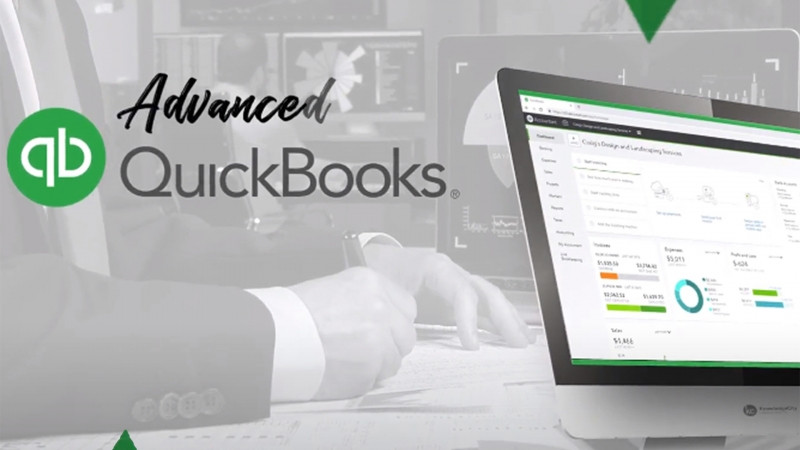
Intuit QuickBooks is one of the leading accounting software packages available in the consumer market. It is used by large and small businesses, schools, nonprofit organizations, and government entities to manage and track daily financial operations. One of the key functions of daily operations for any entity is invoicing customers to generate income.
Companies use QuickBooks to manage and track daily financial operations. In this course, the user will learn to manage customer interactions, manually enter bank data (without bank integrations), complete bank reconciliations, set up and track investment activity, track and calculate inventory, manage and track billable employee activity and expenses, and create templates for efficiency.
We’ll also be covering how to create invoices and apply invoice payments. Users will be learning the difference between an invoice and a sales receipt and about processing customer refunds. Companies that invoice their customers for employees’ activity and expenses will learn to do so using QuickBooks.
It covers managing customer interactions, manually entering bank data without bank integrations, completing bank reconciliations, setting up and tracking investment activity, tracking and calculating inventory, managing and tracking billable employee activity and expenses, and creating templates for efficiency. It also covers creating invoices, applying invoice payments, the difference between an invoice and a sales receipt, and processing customer refunds.
It is suited to those using QuickBooks to manage and track daily financial operations, including companies that invoice their customers for employees' activity and expenses. QuickBooks is used by large and small businesses, schools, nonprofit organizations, and government entities.
You will build skills in accounting software, bank account management, bookkeeping, financial data management, and QuickBooks and Quicken accounting software.
Yes. The course teaches setting up and tracking investment activity, including investment purchases and sales, and covers setting up inventory accounts, tracking inventory items, and calculating inventory and cost of goods sold.