Enjoying the preview?
This is the free first lesson. Get full access — request a demo or sign in.
Enjoying the preview?
This is the free first lesson. Get full access — request a demo or sign in.
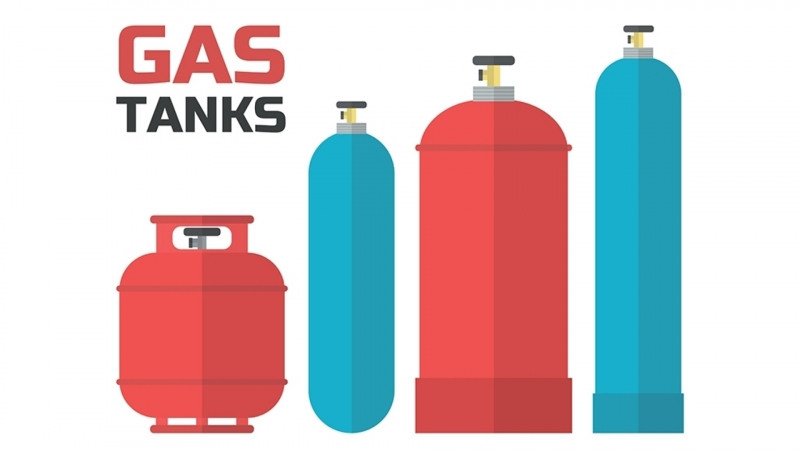
Compressed gases are widely used in healthcare, but the cylinders that contain them require careful handling. In this Compressed Gas Cylinders in Healthcare Environments course, you’ll understand the risks of compressed gases, how to handle and store cylinders safely, and what to do if a leak or emergency occurs. You’ll also learn how to support patient care while protecting yourself and others.
This course breaks down the potential hazards—including pressure risks, gas leaks, and chemical exposure—and explains how to manage them safely in hospitals, labs, maintenance areas, and patient care settings.
You’ll learn how to read cylinder labels, avoid common storage and transport mistakes, and safely connect regulators and fittings. The course also covers leak testing, valve safety, and manifold system operation. Whether you're moving cylinders, working in a patient room, or responding to a damaged tank, you’ll know how to stay safe and protect those around you.
It is for people working with compressed gas cylinders in healthcare environments, including those moving cylinders, working in patient rooms, or responding to a damaged tank.
It covers the risks of compressed gases, how to handle and store cylinders safely, reading cylinder labels, connecting regulators and fittings, leak testing, valve safety, manifold system operation, and what to do if a leak or emergency occurs.
The course develops skills in emergency response, equipment operation, gas detection, medical supply management, and process safety.
It explains how to manage compressed gas hazards safely in hospitals, labs, maintenance areas, and patient care settings.