Enjoying the preview?
This is the free first lesson. Get full access — request a demo or sign in.
Enjoying the preview?
This is the free first lesson. Get full access — request a demo or sign in.
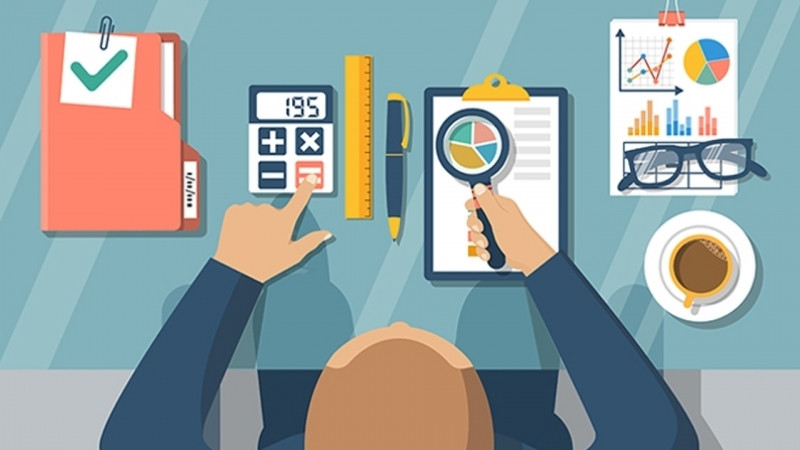
Audit cycles can be unique depending on the client, but most businesses follow similar ones. The audit cycle has four parts: planning, performance, reporting, and follow-up. This goes beyond the typical financial audit. There are also many kinds of audits, most of which a business will use at some point. Audits can cover many things, such as a business segment’s performance, operation audits, benefit plan audits, or payroll records. Understanding the process and expectations is important to ensure auditors have what they need. So what do you need to know about audits?
In this Performing Auditing and Due Diligence course, you’ll be introduced to the different types of audits, best practices for information gathering and decision-making, and the expected standards for auditors to follow. Auditing standards are upheld in all parts of the audit cycle and all audit types. By the end of this course, you’ll be able to explain why companies choose to conduct certain financial audits and how they benefit companies.
This course introduces you to the different types of audits, best practices for information gathering and decision-making, and the expected standards for auditors to follow. It covers the audit cycle steps, different types of audits, information-gathering techniques, and auditing standards.
The audit cycle has four parts: planning, performance, reporting, and follow-up.
You will build skills in audit management, audit planning, auditing, auditing standards, due diligence, and financial auditing.
The course includes the following lessons: Introduction, Audit Cycle, Audit Types and Approaches, Auditing Standards, and Test Your Knowledge.
By the end of the course, you'll be able to explain why companies choose to conduct certain financial audits and how they benefit companies.