Enjoying the preview?
This is the free first lesson. Get full access — request a demo or sign in.
Enjoying the preview?
This is the free first lesson. Get full access — request a demo or sign in.
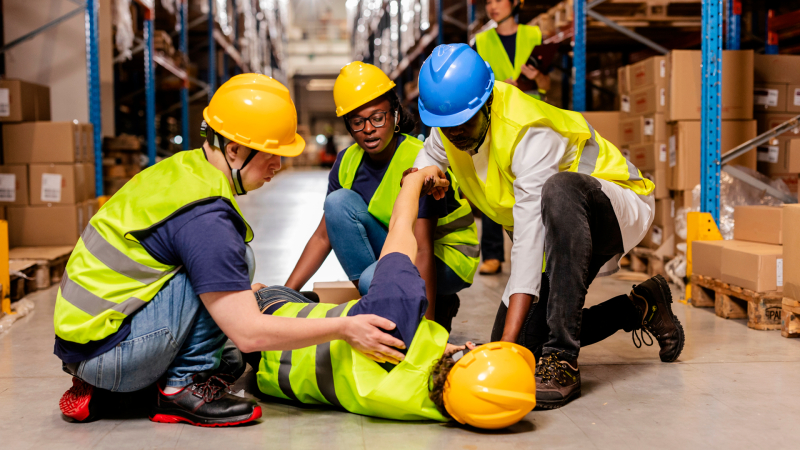
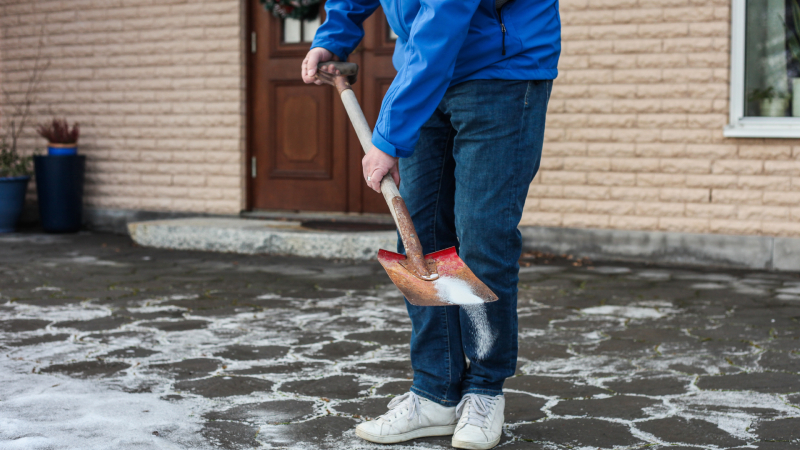
In construction environments, there are a number of potential hazards for slips, trips, and falls. We often take the science behind how we keep ourselves upright for granted, but the workplace calls for more intentional movement patterns. The way we interact with objects high and low at the workplace, as well as the way we carry objects between workstations, significantly impacts how well we can preserve our balance and avoid injury. In this course on Slips, Trips, and Falls in Construction Environments, you’ll explore what threatens your balance, how to minimize the impact of a fall, and what to do when falls cause injury.
Slips, trips, and falls cause more serious injuries—or worse—at work than in other parts of our lives. Even falling from standing is dangerous enough to be worth the care and consideration to avoid. In this course, we’ll review the kinds of injuries falls cause, how they happen, what hazards make us fall, and how to use safety equipment to make sure we don’t fall.
It is for people working in construction environments, where there are a number of potential hazards for slips, trips, and falls.
It covers what threatens your balance, the hazards that cause falls, how to minimize the impact of a fall, how to use safety equipment, and what to do when falls cause injury. Topics include center of gravity and maintaining balance, walking surfaces, housekeeping and maintenance, footwear, and how to fall properly and provide first aid.
You will be able to recognize slip, trip, and fall hazards, identify appropriate work footwear, and assess when injuries need emergency attention.
It supports skills in construction site safety, fall prevention, fall protection, fall risk management, occupational injuries, and workplace safety.
Yes. It covers how to minimize the impact of a fall, how to fall properly, first aid, and how to assess when injuries need emergency attention.