Enjoying the preview?
This is the free first lesson. Get full access — request a demo or sign in.
Enjoying the preview?
This is the free first lesson. Get full access — request a demo or sign in.
Hand injuries can happen in seconds from pinch points, sharp edges, hot or cold surfaces, and powered equipment. In this Hand, Wrist and Finger Safety in Food Processing and Handling Environments course, you’ll learn common hand hazards, how your hands are built, and how to prevent injuries from tools, machines, and repetitive work. You’ll also learn safe work practices, ergonomic basics, and how to choose the right tools and gloves.
This course shows you how to prepare before a task by staying focused, spotting hazards, and asking for guidance when a job or tool is new. You’ll learn how to work at a safe pace, inspect tools, use guards, and lift and carry items with a solid grip.
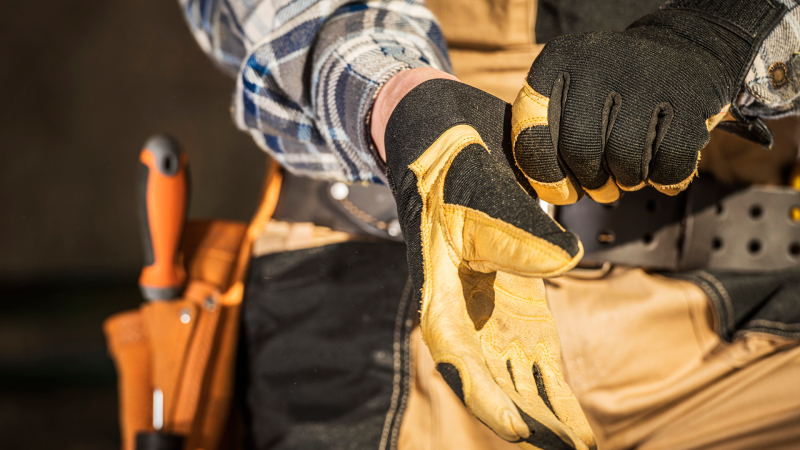
You’ll also learn how ergonomic hazards build over time and how to reduce strain by keeping wrists in a neutral position, rotating tasks, and avoiding excessive force. Finally, you’ll learn how to select tools that fit your hand and reduce vibration risk, and how to choose gloves based on the hazards you face so your hands stay protected on the job
It is for people working in food processing and handling environments who want to prevent hand, wrist, and finger injuries from tools, machines, and repetitive work.
It covers common hand hazards such as pinch points, sharp edges, hot or cold surfaces, and powered equipment, as well as ergonomic hazards that build over time.
You will learn to identify hand, wrist, and finger hazards, apply pre-task preparation and safe work practices, use ergonomic techniques to reduce strain, and select appropriate tools and gloves based on task hazards and fit.
The course is organized into lessons covering the hand's design and structure, preparing to work with your hands, safe work practices, preventing ergonomic injuries, choosing and using tools safely, selecting the best gloves for the job, and a review.
You will learn how to select tools that fit your hand and reduce vibration risk, and how to choose gloves based on the hazards you face so your hands stay protected on the job.