Enjoying the preview?
This is the free first lesson. Get full access — request a demo or sign in.
Enjoying the preview?
This is the free first lesson. Get full access — request a demo or sign in.
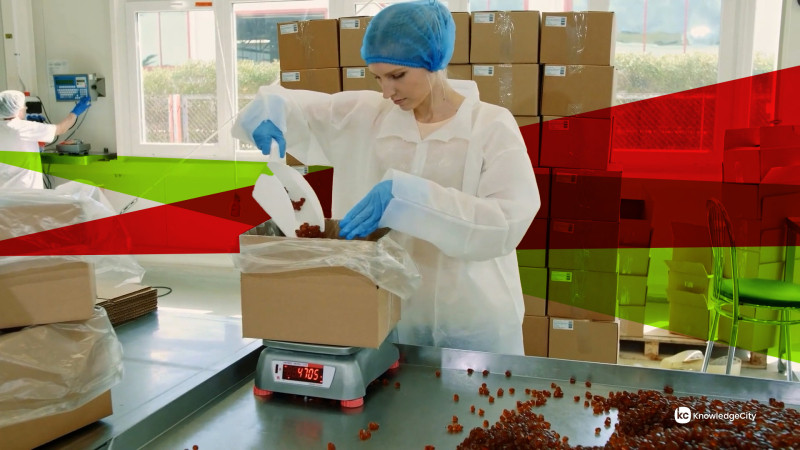
The food processing and handling industry is a demanding field and workers are always in a rush. However, fire safety is a protocol that you need to implement with the utmost care. In this Fire Prevention and Safety in Food Processing and Handling Environments course, you’ll learn how fires start, how fire classes guide safe extinguishing, and how to reduce common plant fire hazards like dust, grease buildup, and electrical overloads.
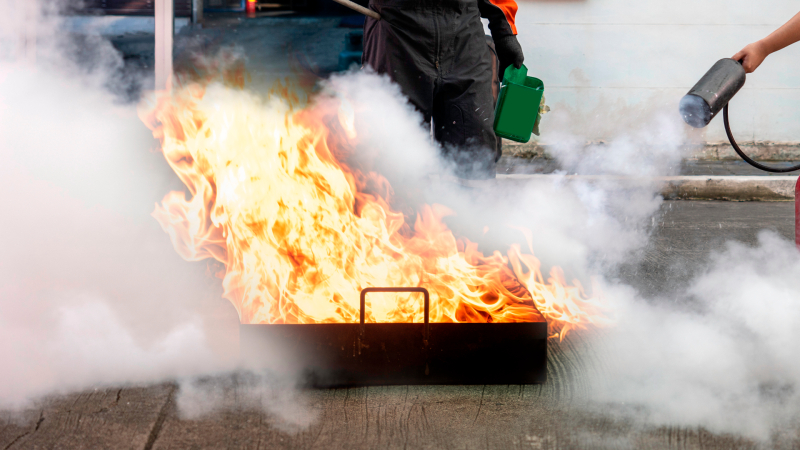
You’ll begin with the fire triangle and learn how removing heat, fuel, or oxygen can stop a fire. You’ll review fire classes, including cooking oil and grease fires, and learn why the wrong extinguisher can spread flames or create electrical danger. You’ll also practice the PASS method and learn when to evacuate if a fire does not go out quickly.
Next, you’ll cover prevention steps for food facilities, including controlling combustible dust, keeping equipment clean, handling flammables safely, following hot work controls, and using safe electrical practices. Finally, you’ll learn how to follow the emergency action plan, use two exit routes, and evacuate safely during smoke and low visibility
It is for workers in the food processing and handling industry, a demanding field where workers are always in a rush but must still implement fire safety with the utmost care.
It covers how fires start, the fire triangle, fire classes including cooking oil and grease fires, extinguishing fires with the PASS method, evacuation decisions, prevention steps for food facilities such as combustible dust control, housekeeping, safe handling of flammables, hot work controls, and safe electrical practices, and following an emergency action plan to evacuate safely during smoke and low visibility.
The course builds skills in emergency evacuation, fire hazard analysis, fire safety, hazard identification, and firefighting.
It is organized into lessons covering fire prevention and safety in food processing and handling environments, classes of fire and how they burn, extinguishing fires, handling flammable materials safely, how to prevent fires, dealing with a fire emergency, and a review.
Fire classes guide safe extinguishing, and using the wrong extinguisher can spread flames or create electrical danger, which is why the course covers matching fire classes to safer extinguishing methods.