Enjoying the preview?
This is the free first lesson. Get full access — request a demo or sign in.
Enjoying the preview?
This is the free first lesson. Get full access — request a demo or sign in.
In these lessons, you’ll learn how TypeScript extends JavaScript for stronger typing and better tooling, allowing for more efficient and powerful web development.
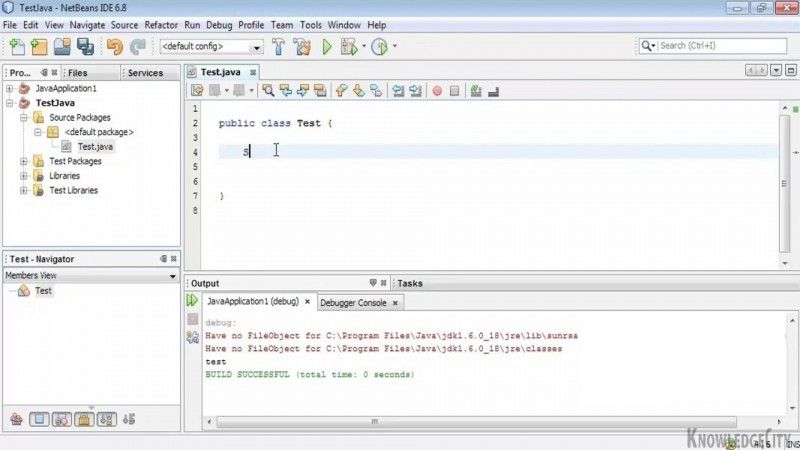
TypeScript is a powerful programming language that extends the functionality of JavaScript. To get started with TypeScript, you'll need to install the TypeScript compiler and the TypeScript plugin for your IDE. This will provide you with code completion, error highlighting, and other features to help you write TypeScript code more efficiently.
We’ll also cover the TypeScript Playground, an online editor that allows you to experiment with TypeScript code and see the results in real time. You can also save your code to share with others or use it as a reference. When writing TypeScript code, it's essential to comment your code to make it easier for others to understand what your code is doing. TypeScript supports single-line and multi-line comments, making it easy to add comments to your code. Finally, if you want to use TypeScript in an HTML file, you'll need to set up a TypeScript configuration file and link it to your HTML file. This ensures that your TypeScript code is compiled correctly and can be run in your browser.
Overall, TypeScript is a versatile language that provides several benefits for modern web development. By following these essential steps, you can start using TypeScript in your projects and take advantage of its powerful features.
You'll learn how to install TypeScript, use it with your IDE, work with the TypeScript Playground, comment your code, and use TypeScript in an HTML file.
It is an online editor that lets you experiment with TypeScript code and see the results in real time, and you can also save your code to share with others or use as a reference.
Yes. To get started you'll need to install the TypeScript compiler and the TypeScript plugin for your IDE, which provides code completion, error highlighting, and other features.
You set up a TypeScript configuration file and link it to your HTML file, which ensures your TypeScript code is compiled correctly and can run in your browser.
The lessons cover welcoming you to TypeScript, installing TypeScript, using TypeScript with your IDE, the TypeScript Playground, commenting your code, and using TypeScript in an HTML file.