Enjoying the preview?
This is the free first lesson. Get full access — request a demo or sign in.
Enjoying the preview?
This is the free first lesson. Get full access — request a demo or sign in.
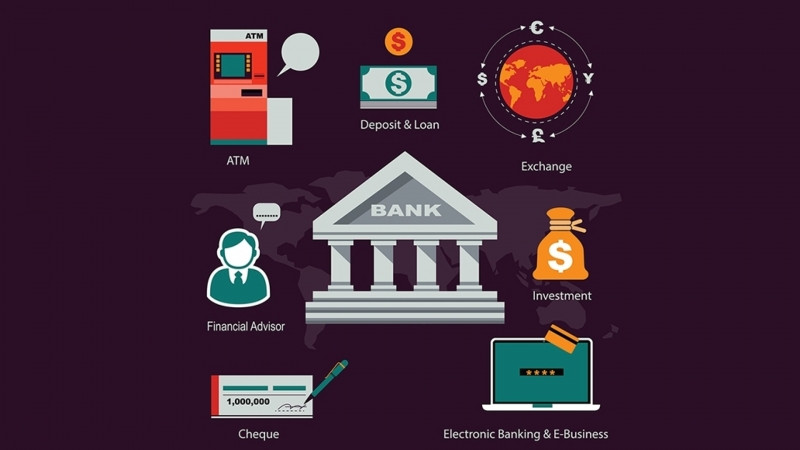
International banks do more than just move money—they connect economies, support global trade, and provide essential financial services that keep businesses running across borders. But operating in multiple countries comes with challenges, from navigating complex regulations to managing financial risks that can disrupt entire markets.
In this course on International Banking Operations and Risk Management, you’ll explore how international banks function, from their core operations to the strategies they use to stay stable in a shifting economy. You’ll learn how banks assess and manage financial risks, including credit risk, market fluctuations, and regulatory changes. You’ll also discover how financial institutions maintain liquidity, respond to global crises, and maintain compliance with international banking regulations.
By the end of this course, you’ll understand how international banks shape global finance and how they protect themselves from uncertainty. Whether you work in finance, risk management, or global business, this course will give you the knowledge to analyze banking systems and assess market risks, so you can better understand the financial forces that drive the global economy.
It is intended for people who work in finance, risk management, or global business, giving them the knowledge to analyze banking systems and assess market risks.
It covers the structure and functions of international banks, risks in international banking, regulatory frameworks, and managing risk in global economic contexts, along with how banks maintain liquidity and respond to global crises.
The course builds skills in Banking Software, Financial Risk Management, and International Finance.
It addresses credit risk, market fluctuations, and regulatory changes, and explains how financial institutions manage them.
Yes, it includes a Test Your Knowledge lesson alongside lessons on bank structure, risks, regulatory frameworks, and managing risk.