Enjoying the preview?
This is the free first lesson. Get full access — request a demo or sign in.
Enjoying the preview?
This is the free first lesson. Get full access — request a demo or sign in.
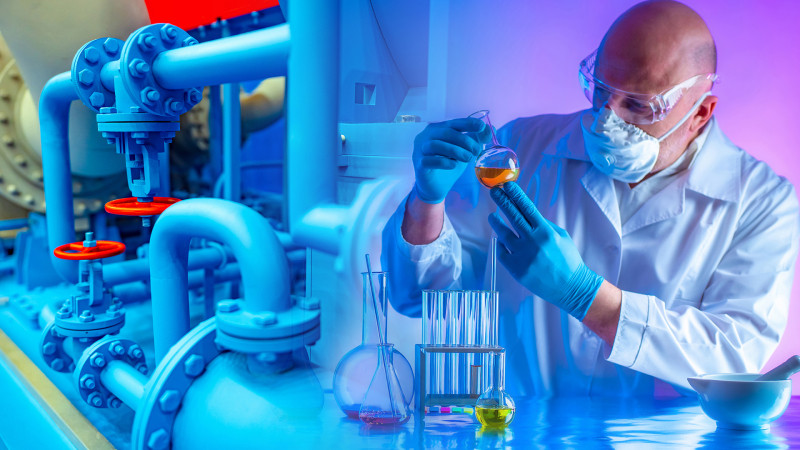
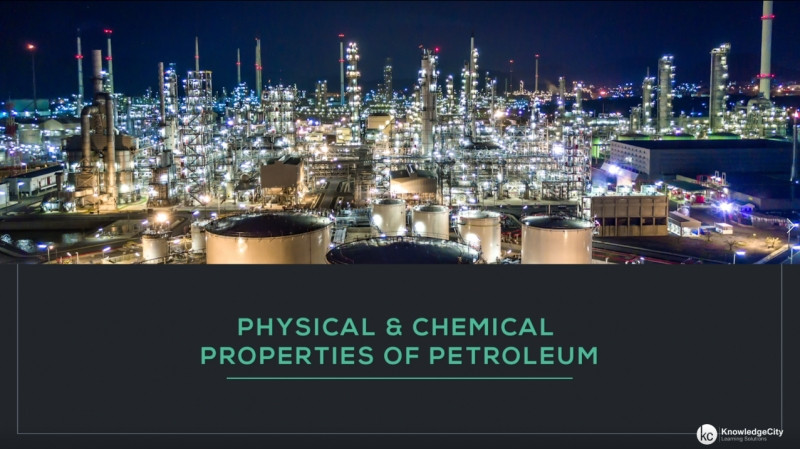
The tasks carried out in a refinery have one single objective: to keep the world running. In addition to fueling global movement, oil refineries are positioned as one of the world's economic meters, since they influence a huge range of products, from the creation of plastics for medical supplies, to the fuels used for many modes of transportation. Refining applies chemical engineering processes to purify materials, separating different particles and leaving behind waste products. Oil refineries utilize various operations and treatments to convert crude oil into a variety of different products.
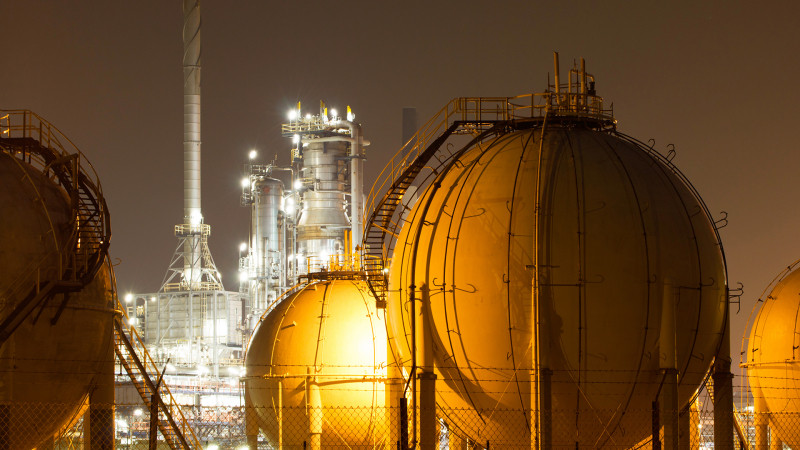
This course will cover the range of refinement methods including atmospheric distillation, catalytic reforming, hydrodesulfurization, and catalytic cracking. We’ll explore refinery facilities and how operations differ depending on the end products they produce. We’ll also learn about the most common products obtained through crude oil refining, such as diesel, gasoline, lubricants, and fuel oils.
The course covers the range of oil refinement methods including atmospheric distillation, catalytic reforming, hydrodesulfurization, and catalytic cracking. It explores refinery facilities and how operations differ depending on the end products they produce, and the most common products obtained through crude oil refining, such as diesel, gasoline, lubricants, and fuel oils.
Lessons cover distillation, control valve guidelines and applications, alkylation (including the hydrofluoric acid and sulfuric acid alkylation processes), catalytic reforming, reformer equipment, regeneration, hydrotreating, sulfur recovery, combustion, vacuum flashing, and catalytic cracking with its process variables.
The course is associated with skills in chemical plant operations, oil refining, petrochemical work, petroleums, refinery experience, and refining.
The course addresses process variables including feed quality; reactor temperature, feed rate, and recycle rate; and time of day and temperature.