Enjoying the preview?
This is the free first lesson. Get full access — request a demo or sign in.
Enjoying the preview?
This is the free first lesson. Get full access — request a demo or sign in.
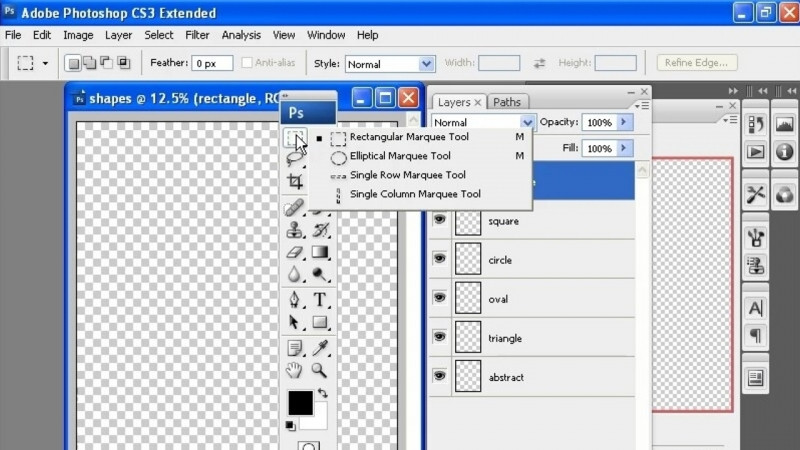
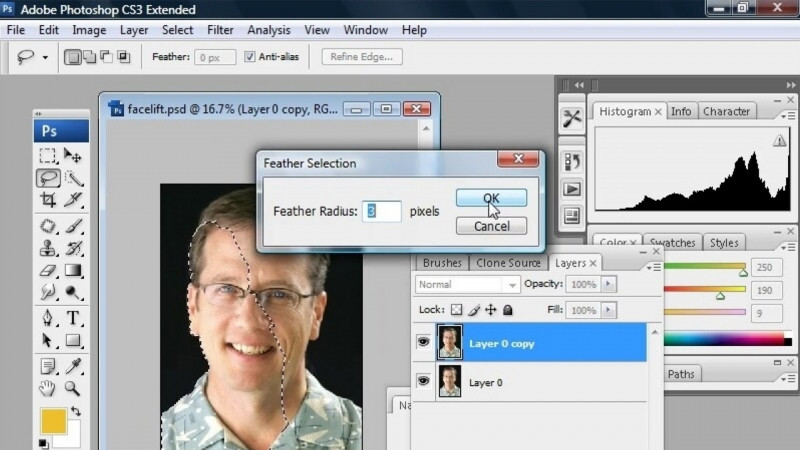
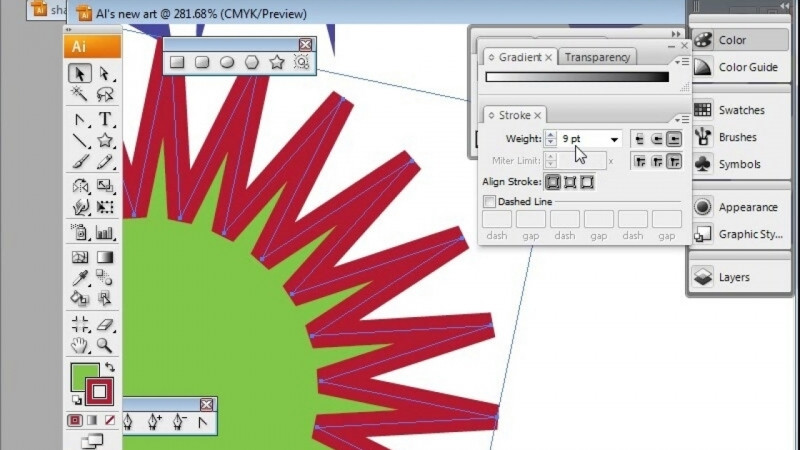
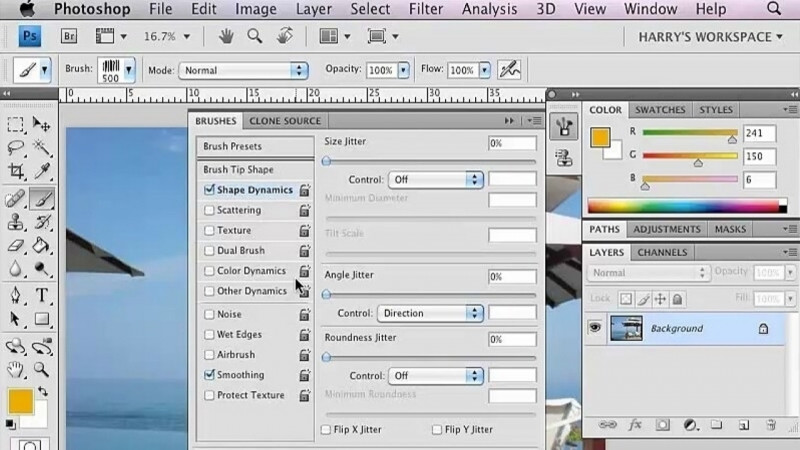
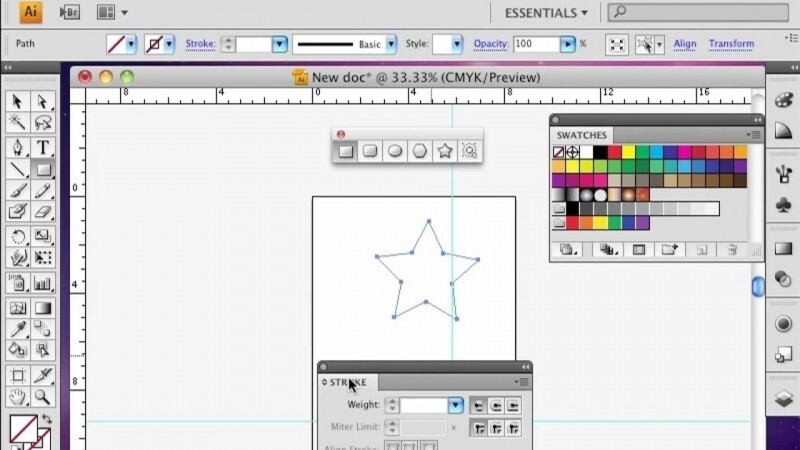
This Adobe Animate Intermediate course will explore the latest techniques animators can use to take their projects to the next level. Students will start out by learning how to create a sample project in Adobe Illustrator, and import that sample project into Adobe Photoshop, focusing on layer creation, naming conventions, and tools within the software. This course then transitions into Adobe Animate by showing students how to tween with different types of techniques such as Classic, Shape, Motion, and Nested tweening. Students will also get hands-on experience by animating with the Bone, Asset Warp, and Camera tools.
Learning how to convert written scripts into audiovisual storytelling is an essential skill in animation, which is why this course also covers how to recognize different camera angles and shots and incorporate them into your storyboards and scripts. By creating different animations, students will gain a working knowledge of importing sounds and using code snippets to make animations interactive. To wrap everything up, students will learn how to publish their animations in a variety of formats and processes, such as exporting video, images, sequences, and animated GIF files.
You will learn intermediate animation concepts, how to use keyframes and frames, recognize camera angles and shots, access and use code snippets, and navigate tools, panels, and properties. The course also covers tweening techniques, animating with the Bone, Asset Warp, and Camera tools, importing sound, and publishing animations in various formats.
The course covers Adobe Animate, Adobe Illustrator, and Adobe Photoshop, along with skills in animations and file importing.
The course teaches Classic, Shape, Motion, and Nested tweening techniques in Adobe Animate.
You will learn to publish animations in a variety of formats and processes, including exporting video, images, sequences, and animated GIF files.
Yes. It covers recognizing different camera angles and shots, script techniques, creating story panels, and building storyboards from scripts.