Skip to content
KnowledgeCity

Introduction to Web Design and Development

This course presents an introduction to web design and development and introduces the tools and techniques utilized in the industry today
Preview the first lesson free — get full access to all 26 lessons.
Course: On-Demand
Beginner Provider Matthew Brown  7 chapters ·  26 Lessons ·  1h 49m  in Arabic, German, English, Spanish, French, Portuguese, Chinese 

Course Description

This course presents an introduction to web design and development and introduces the tools and techniques utilized in the industry today. Maintaining a web presence is essential for any organization or individual looking to reach the masses, either for professional or personal gain. This course will introduce concepts that will allow promising web designers to obtain hands-on experience with front-end and backend web design and development. Learners will gain experience with HTML, CSS, and Java programming languages, as well as exposure to applications used by designers in multiple industries. The applications introduced will scale from simple drag and drop development to complex UI development. Learners will also explore tools utilized to optimize websites for effective Search Engine Optimization (SEO) as well as Content Style Sheet optimization. Learners will engage with each lesson through examples and step-by-step instructions. The evaluation of learning outcomes will be accomplished via hands-on exercises and chapter quizzes. The course will also cover fundamental design concepts to include Adaptive and Responsive Design. A summary of next steps will also be provided at the conclusion of the course to provide learners with a path to more advanced concepts.
What You'll Learn

  • Understand the basics of HTML and CSS implementation for front-end and backend web design
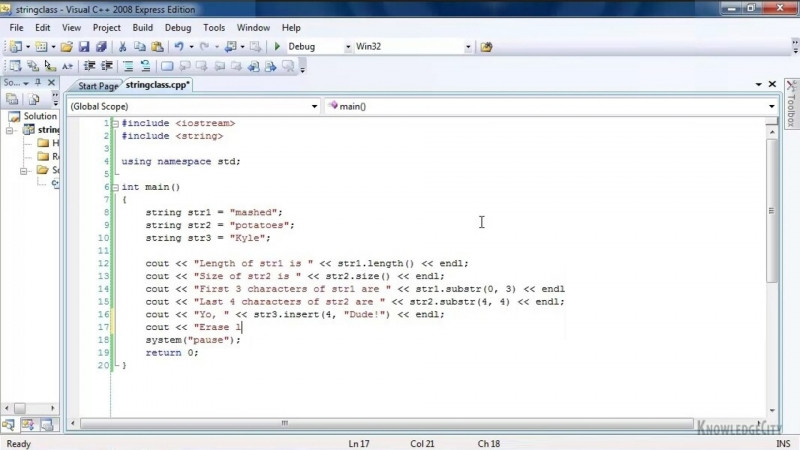
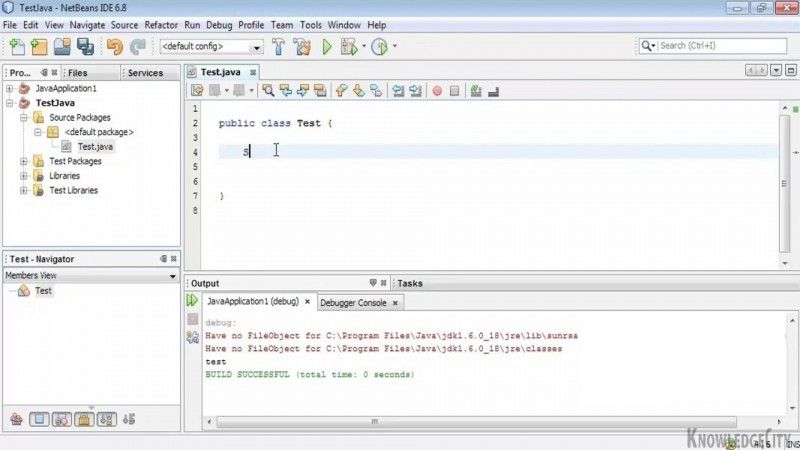
  • Create Java programs using the CLI and the NetBeans Java IDE, including executing Java programs from HTML websites
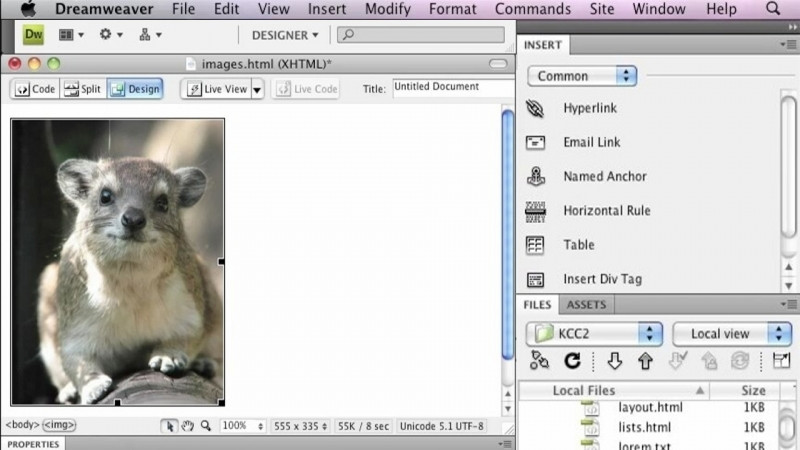
  • Build wireframes and mockups using NinjaMock and develop web pages with the WYSIWYG application BlueGriffon 3.1
  • Optimize CSS using CSS optimizer tools including CSS Analyzer and CSS Stats
  • Apply fundamental design concepts including Responsive Design, Adaptive Design, and Search Engine Ready design
  • Design effective UI and user experience elements such as CTA buttons, icons, colors, gradients, fonts, and white space

Key Takeaways

  • Maintaining a web presence is essential for any organization or individual looking to reach the masses for professional or personal gain.
  • The course provides hands-on experience with both front-end and backend web design and development using HTML, CSS, and Java.
  • Applications introduced scale from simple drag-and-drop development to complex UI development.
  • The course covers optimizing websites for effective Search Engine Optimization (SEO) and Content Style Sheet optimization.
  • Learning outcomes are evaluated through hands-on exercises and chapter quizzes, with a summary of next steps provided at the conclusion.

Frequently Asked Questions

Who is this course for?

It is designed for promising web designers looking to obtain hands-on experience with front-end and backend web design and development, as well as anyone seeking to maintain a web presence for professional or personal gain.

What tools and technologies does the course cover?

Learners gain experience with HTML, CSS, and Java programming languages, and use applications including the NetBeans Java IDE, NinjaMock for wireframes and mockups, BlueGriffon 3.1 (WYSIWYG), and CSS optimization tools such as CSS Analyzer and CSS Stats.

How is learning assessed in this course?

Learners engage with each lesson through examples and step-by-step instructions, and learning outcomes are evaluated via hands-on exercises and chapter quizzes.

What design concepts are taught?

The course covers fundamental design concepts including Adaptive and Responsive Design, Search Engine Ready design, UI and user experience elements, and intuitive user design principles such as familiarity, consistency, and effective use of white space.

What happens after I complete the course?

A summary of next steps is provided at the conclusion of the course to give learners a path to more advanced concepts.