Skilled employees are vital for any business, and training programs are key to their success. However, with business and technology evolving constantly, leaders must adapt training to meet employee needs. This article highlights the importance of optimizing training programs and offers tips for ensuring they meet all employees’ needs.

Why Is Training Important?
Employee training programs can have a significant impact on the success of your business. In fact, according to Forbes, 75% of companies planned to create custom learning programs in 2024.
Strengthening your training program offers several key benefits:
- Improved Performance and Productivity
By updating and refining your program, employees receive relevant skills and information, leading to increased efficiency. According to Gallup, employees who know and utilize their strengths are nearly six times more engaged, perform better, and are less likely to leave their company. - Better Adaptation to Changing Business Needs
As businesses adapt to new technologies and trends, employees must keep pace with necessary skills and knowledge. Regularly updating your training program ensures employees are equipped to meet business needs. - Increased Employee Satisfaction and Retention
Employees value employers who invest in their growth, leading to greater job satisfaction and long-term retention. Transforming your training program demonstrates a commitment to professional development, leading to greater employee satisfaction and retention. According to Gallup, organizations strategically investing in employee development report 11% greater profitability and double the employee retention rate.
Who Is Responsible for Training Programs?
Improving a training program involves various key players, each with distinct roles and responsibilities.
Training professionals, whether internal or external, design and deliver content to meet learning objectives. Direct managers identify team training needs, encourage participation, and provide feedback to enhance performance.
HR professionals conduct needs assessments and identify areas for program improvement. Employees also play a central role by actively engaging in training, asking questions, and applying new skills proactively.
Assessing Your Current Training Program
To learn if your current training program is meeting the needs of your business, you must complete an assessment. Successful training programs equip employees with the skills and knowledge to navigate the workplace and achieve business goals. But, just like any business strategy, your training program needs regular check-ups.
Here’s how to assess your current program to ensure it’s still working as intended:
- Align With Business Goals: Revisit your company’s strategic goals. Does your training program directly address the skills needed to achieve them? Are there any new skills or areas of knowledge that have emerged as priorities?
- Measure Knowledge Gain: Are employees retaining the information presented? Consider pre- and post-training assessments to gauge knowledge acquisition.
- Look Beyond Completion Rates: Completion rates are a good starting point, but they don’t tell the whole story. Are employees actively participating? Are the training methods engaging and relevant?
- Gather Feedback: Employee feedback is invaluable. Conduct surveys or hold focus groups to understand their experience with the training. What worked well? What could be reworked?
- Track Performance: Can you connect the training to employee performance or business outcomes? Look at metrics like increased productivity, reduced errors, or increased customer satisfaction.
- Embrace New Approaches: Is your training stuck in the past? Consider incorporating eLearning modules, microlearning opportunities, or gamification to enhance engagement and cater to different learning styles.
Assessment is an ongoing process. By regularly evaluating your training program, you can ensure it remains relevant and effective.
How to Improve Your Training Program
Once you’ve conducted a thorough needs assessment, it’s time to implement the necessary improvements to your training program. Here are some tips to help you boost your employee training:
- Utilize SEO Training
In today’s digital age, having a strong online presence is essential for businesses. This is where search engine optimization comes into play. SEO training can help your employees understand how to optimize your website and content to rank higher in search engine results, driving more traffic and potential customers to your business. - Incorporate Performance Improvement
Performance improvement techniques, such as goal setting, feedback, and coaching, can enhance the effectiveness of your training program.By setting clear goals and providing regular feedback, employees can visualize their progress and understand how their training directly impacts their performance. - Adopt Technology
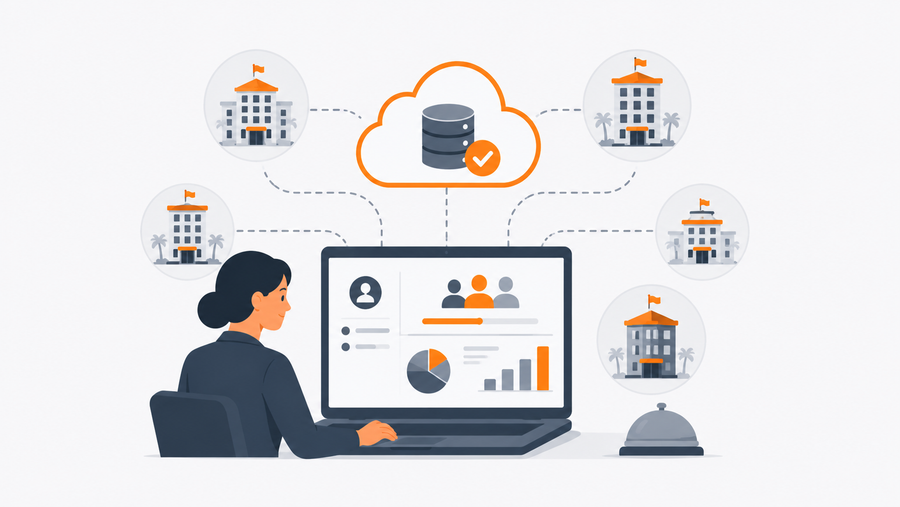
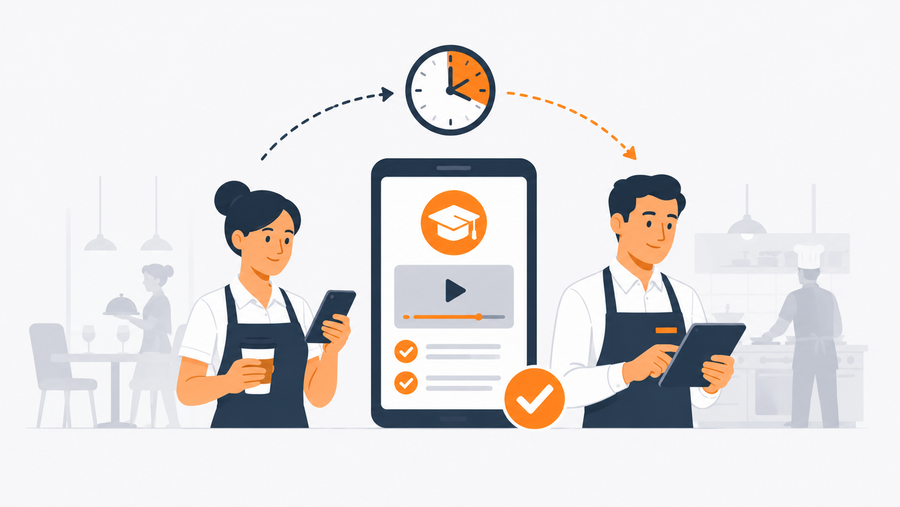
Technology can play a significant role in strengthening your training program. Online learning platforms, virtual training sessions, and interactive training modules can all enhance the learning experience for employees and make training more accessible and convenient.Using technology can also help keep track of employee progress and identify areas for development in the training program.
Transform Your Training Program with KnowledgeCity
Optimizing your training program is imperative for the success of your business. By regularly updating your training program, you can ensure that your employees have the skills and knowledge needed to meet the changing needs of your business.
Incorporating SEO training, utilizing technology, and incorporating performance improvement techniques can greatly enhance the effectiveness of your training program. With a well-tailored training program, your business can thrive and stay ahead of the competition.